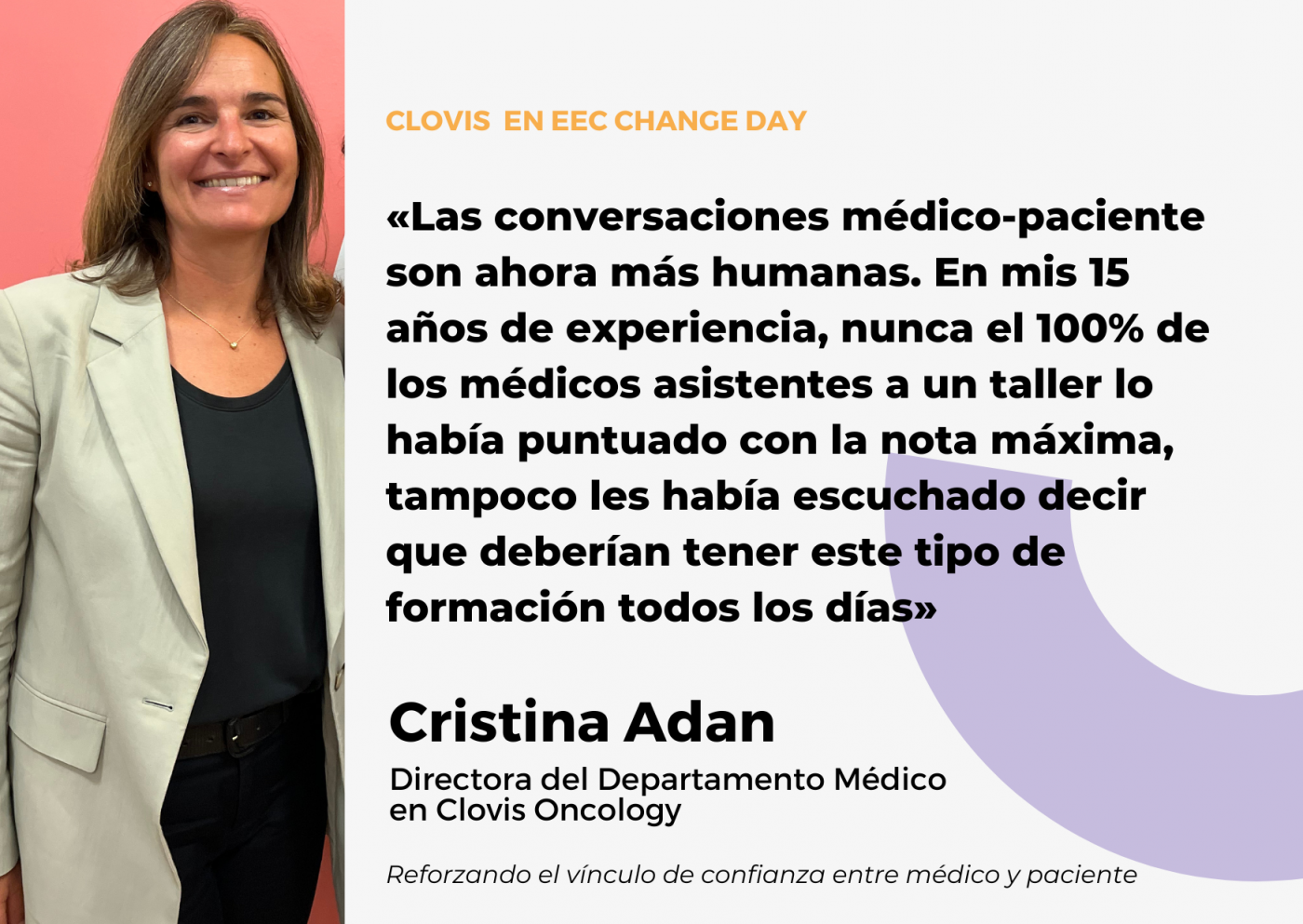
Clovis Oncology is one of EEC's client companies participating in the EEC CHANGE DAY event to share a success story, a change, and a development with the support of EEC Consultoría.
Cristina Adán, Director of Medical Affairs at Clovis Oncology
«One of the objectives that we've set ourselves in the Medical Department at Clovis Oncology is to carry out complementary training activities for doctors. This project, based on doctor-patient communication, has been precious.
THE VALUE OF EEC
- I would summarise it in four points:
- Pharmaceutical sector experience
- Pre-session preparation. Individualisation of workshops.
- Professionalism of trainers with doctors.
For me, it was important that our partner in the project had experience in the pharmaceutical sector, because doctors are very demanding about the quality of the training they receive.
The preliminary preparation, which consisted of a conversation between the trainer and senior oncologists to understand the team's specific needs, allowed for the delivery of a customised workshop.
No two workshops were the same, although similar objectives were achieved, thanks to the adaptation of each workshop.
The professionalism, human quality, values, and academic standard of EEC have been total.
Oncology requires extremely high levels of knowledge to be able to offer patients the best therapeutic options and all the latest innovations. Oncologists also know that many of their patients will not have a very long survival, and this impacts them emotionally.
Thus, in addition to academic and practical training, they need training in other types of competencies. They need communication skills to know how to speak to the patient, to society, and to the scientific community. And they need to manage the emotions of patients, their families, and their own.
In their academic curriculum, doctors work little on the three skills that have been the pillar of this project: communication, emotional management, and stress management.
Adaptability and flexibility
Hand-in-hand with the EEC, we proposed a tailored training programme. The objective of the first phase was for doctors to understand why they needed this training and what for. To achieve this, we conducted prior interviews with patients, consultant oncologists and residents.
In the process, no two workshops were the same, although the same objectives were achieved.
I would highlight how, in each hospital and depending on the needs of each group, the EEC coaches were aware of the need to design different workshops to work on defined skills: connection and empathy with the patient, emotional management, commitment management, and stress management. The outcome, in terms of what the group learned, has been consistent.
The best rating
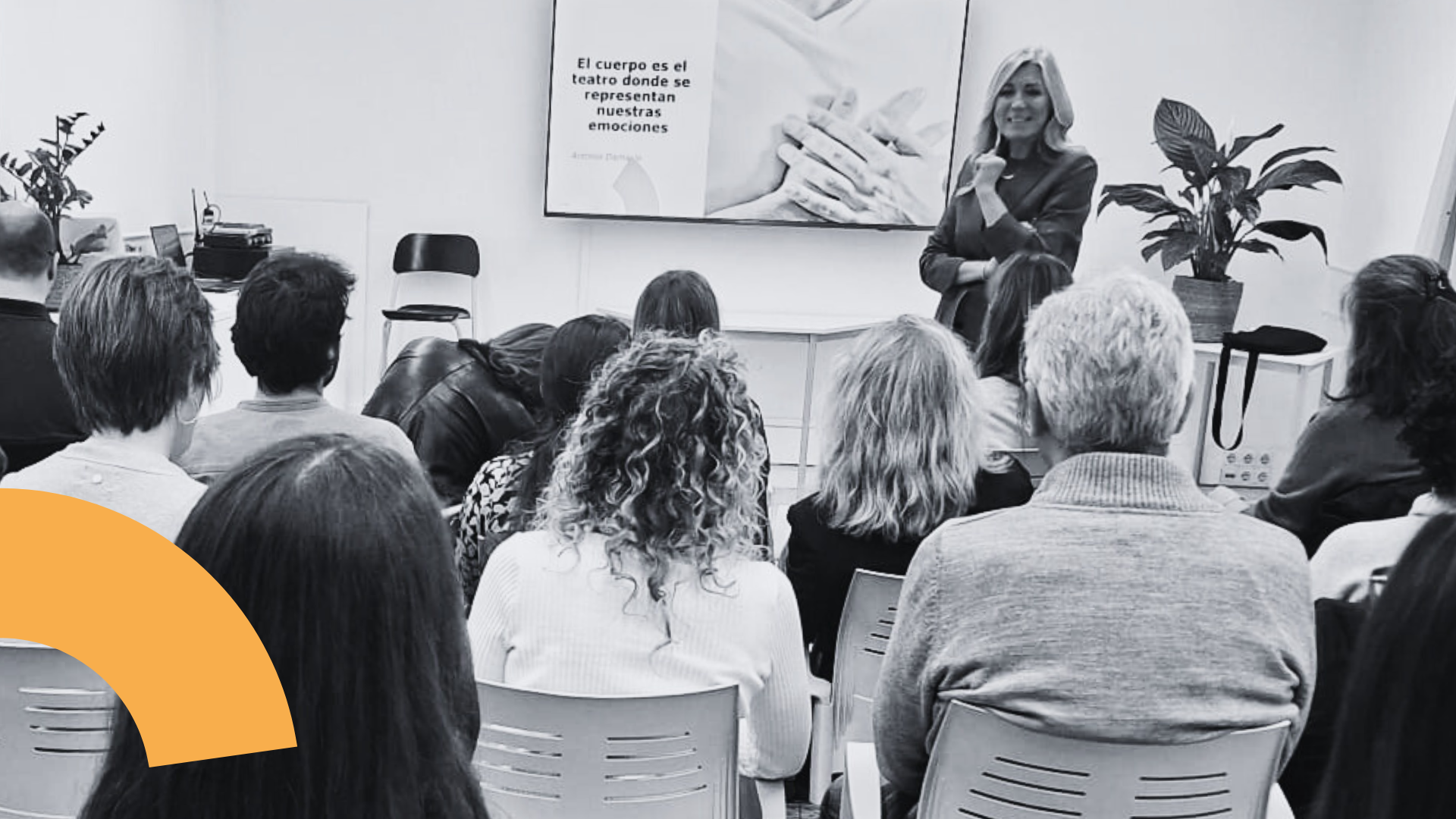
We finally held 20 workshops in different hospitals across Spain, attended by over 100 oncologists, doctors who are already concerned about their impact on patients and whose doctor-patient conversations are now more humane.
The assessment of the activity has been excellent. In my experience, I have never had such positive feedback; some of the workshops received the maximum score from 100% of the attending doctors.
Testimony from doctors
«I am not alone in my feelings of exhaustion. The importance of empathy. The importance of looking after ourselves. This type of training should be something we have every day. A resounding yes to continuing to work on these skills.
A humanised future
Oncologists are aware that they need to humanise their conversations, but it's a challenge that we all face. In the era of medical digitisation, how do we preserve humanisation and values? We all have something to learn, do and contribute.