

Coaching generates a change that leads to it being conceived as a space worth experiencing. Where the alternative to control and anticipation appears. “We cannot guess the future, but we can design the one we want to live.”
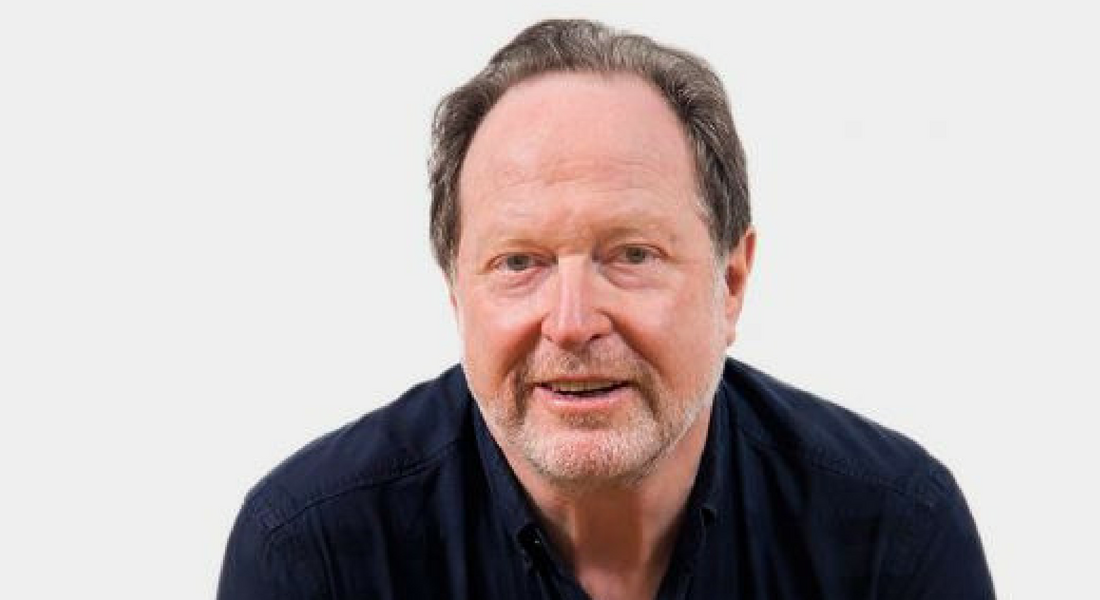
The equation is simple: “people who feel good about what they do, produce great results. Leaders who manage to inspire their people towards great goals and engage them, will achieve great results.” This is according to Luis Carchak, Master Coach, who travels the world to accompany successful men who want to be more successful. “I work with top performers. I train the muscle of confidence and the muscle of commitment,” he states with serene clarity. The changes required by organisations facing current social and economic transformations are fertile ground for this bold and innovative business humanist, whose 2,500 hours of experience include interventions at companies like BBVA Bancomer and Telefónica.
Are all leaderships the same? Business, political, civic?
For me, leadership is a service. In all of these, leadership is service leadership, and if it isn't, something's not right. I am a leader because I have a relationship where I generate value for people. I have to provide a vision and sustain a vision, so that we go together towards an extraordinary objective. Small objectives don't move anyone. We haven't been trained to spread passion, and to generate in people that desire to participate in something worthwhile. It's easier to command. But commanding is an old model that no longer works.
The main skills of a leader are:* **Communication:** Being able to articulate ideas clearly, listen actively, and provide constructive feedback. * **Decision-making:** The ability to assess situations, weigh options, and make timely and effective choices. * **Problem-solving:** Identifying issues, analysing root causes, and developing and implementing solutions. * **Integrity:** Demonstrating honesty, ethical behaviour, and trustworthiness. * **Vision:** Having a clear understanding of goals and the ability to inspire others to work towards them. * **Delegation:** Assigning tasks effectively to team members, empowering them and fostering their development. * **Motivation:** Inspiring and encouraging individuals or teams to perform at their best. * **Empathy:** Understanding and sharing the feelings of others, and showing consideration for their perspectives. * **Adaptability:** Being flexible and able to adjust to changing circumstances and challenges. * **Accountability:** Taking responsibility for actions and outcomes, and holding others accountable as well. * **Strategic thinking:** The capacity to plan for the future, anticipate trends, and make long-term decisions. * **Team building:** Creating a cohesive and collaborative working environment where individuals feel valued.
There are two possible paradigms: anticipation and control. Two absolute fantasies. They haven't worked out well for companies. The alternative is to generate a context of trust where we can work as a team, learning from our mistakes, with sustainable values. This is what leads companies to success.
Leadership is servant leadership, and if it isn't, something's not right. I am a leader because I have a relationship in which I generate value for people.
Is teamwork a necessity?
Intelligent people don't make intelligent teams. But a team makes the people who make it up much more intelligent: it makes the team intelligent. Because people understand that they cannot work as islands, playing the solo saves me game.
Where does the coach look for change?
In a conversation. Always in a conversation. Because coaching is about producing action and results aligned with our commitment.
And what is the commitment?
The organisation is built by people who commit. When people in a conversation build a public statement and commit to each other and to the community, that commitment takes on its true dimension. The coach is a privileged witness who acts as a mirror and accompanies you in your search for your commitments, and in ensuring you can be consistent with your commitments and your actions.
For a grand project, there must be a grand vision that mobilises skills and invites new ones.
But in the fierce liberalism we live in, it seems that business owners don't have the commitment to their collaborators…
That leadership is not sustainable. Commitment is what makes you organise circumstances to your challenges. When you get a company to act from commitment, you produce total transformational change. For that, you have to trust people, train people, and develop people. The successful company is one where people want to be. Where they want to feel part of and play a leading role in a grand project. For there to be a grand project, there must be a grand vision that mobilises skills and invites people to acquire new skills, to go faster and achieve better results; for this, leaders are accompanied by coaches.
Is love of work an ingredient?
Love is a heritage of the men and women who build companies, or destroy them. In the history of organisations, there were community and social forms of organisation where people felt and valued certain things. Different models with different commitments. By deeply understanding the models, we can very quickly realise what your company is missing for people to feel good, be committed, and see the result of their work and be able to love it. It has to do with how people relate to achieve a result. How we form teams worth experiencing. The equation is simple: people who feel good about what they do produce great results. Leaders who manage to inspire their people towards great goals and commit them to them will undoubtedly achieve great results.