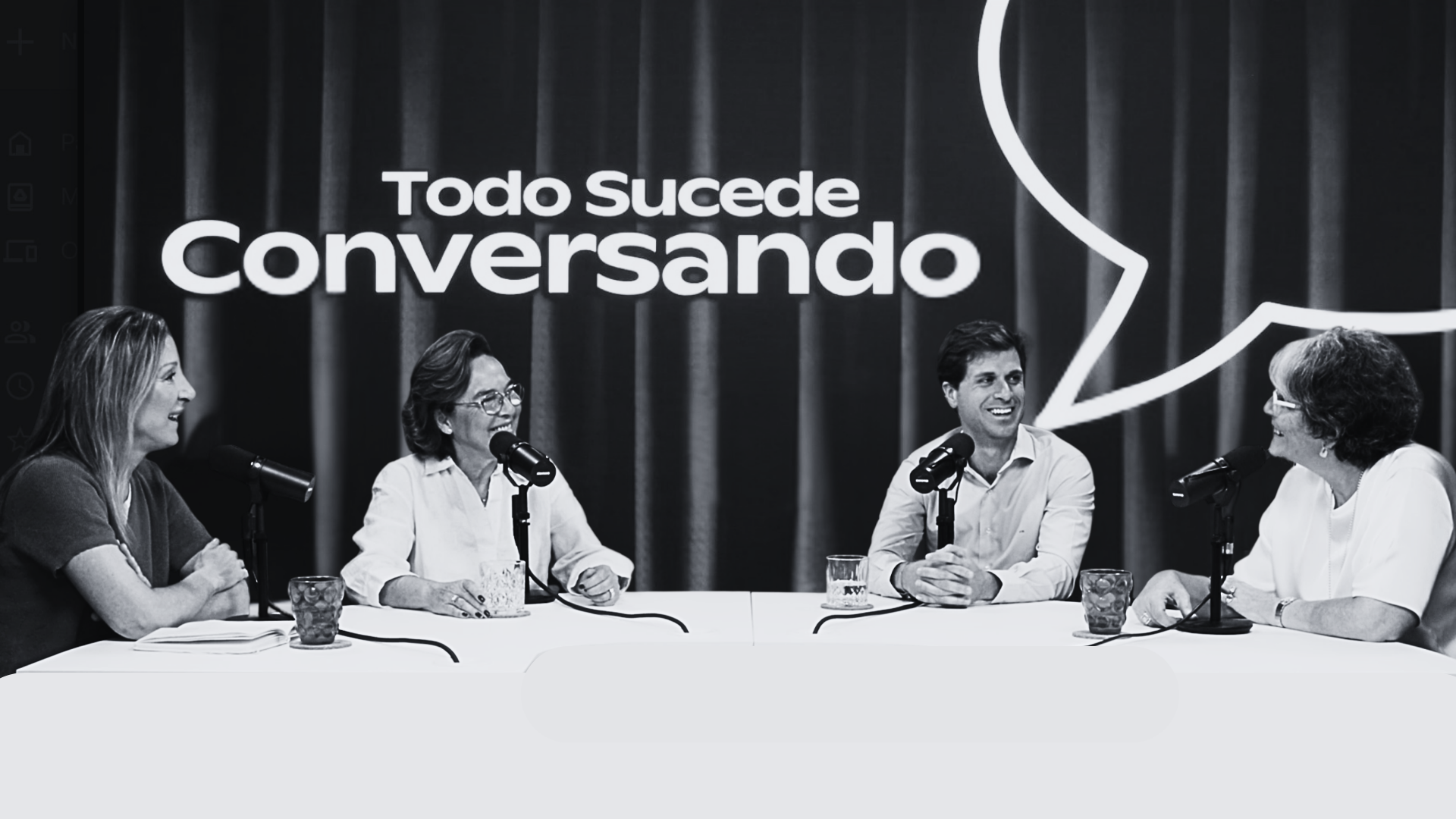

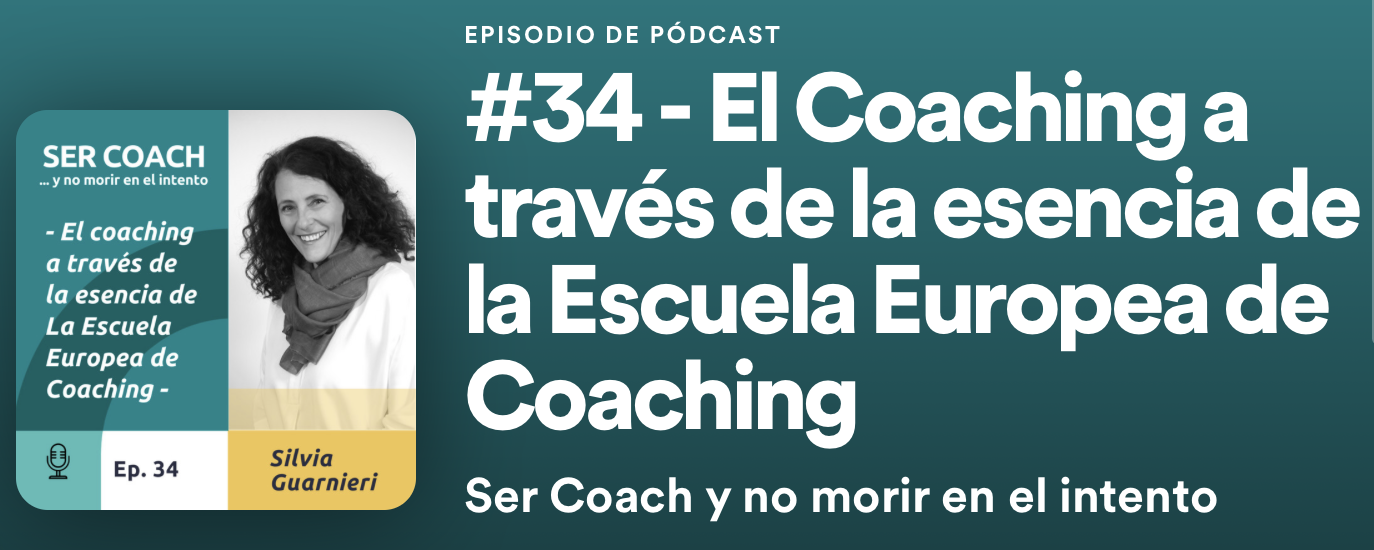
Transformation, commitment, acceptance, simplicity and emotion. Five words stand out from the participation of Silvia Guarnieri, MCC coach, responsible for the design of the programmes and co-founder of the EEC, in the podcast Ser coach y no morir en el intento, by Pati Sánchez.
A conversation in which Silvia Guarnieri, who has more than 6,000 hours of coaching under her belt and has co-directed an organisation dedicated to the training of coaches and management training for 18 years, also talks about the power of language, about distinctions and how emotions predispose us to action.
Here is an excerpt from the interview and we encourage you to listen to the full conversation:
Pati Sánchez: What does being a coach mean to you?
Silvia Guarnieri: "Being a coach for me is a lifestyle. I mean that there is a professional ethical conduct that goes beyond that. It is also that as a coach we have the idea of unity, of community, that unites us as a species. That coach's suit carries the idea that there is another person who is different from me, it has to do with respecting the difference, understanding that the other person does not have the same ideas or the same way of acting.
The coach who goes through the transformation process to become a coach puts on a suit that is different from the one he or she wore at the beginning of his or her training. Those who have gone through the experience know that there is a before and an after and that everything is useful for life. When I am confronted with life situations, I use what I know about coaching, which is put at the service of a better life for us and also for the community in which we live.
Pati Sanchez: What model of coaching does the EEC teach?
Silvia Guarnieri: "It is a coaching based on philosophy, on network therapies and on psychology, many ideas come from there, I did not introduce what Nietzsche calls ressentiment. What is certain is that we have been nourished by a philosophical base and what we have done is to bring these ideas down to earth so that they are accessible to the student.
Our job is to marry and land those ideas, so that the person, when they are in their day to day life, in their work, can use this to have better results, to have a better life, to be happier. We have a philosophical and linguistic basis.hat we have done is to ground this in the workplace so that it is operable for the learner.
We do business and executive coaching. The 50% of our work is focused on companies and the challenges they present us with, such as change management, cultural transformation, leadership... issues that have to do with how to make the company succeed. And when we work on training professional coaches, our main target group are people who are HR, or CEOs... or people who are managers.
Then there are people who choose to do life-coaching or coaching with adolescents. We give a base in which many business issues that have to do with the organisation are given, although later people can do something else with that, because as coaches we do coaching to the commitment that the person has. It is the idea of what you are committed to, what your challenge is, what you want to achieve, and from there we accompany you in your personal and professional life, which, of course, is mixed, because we are one person".
Pati SanchezWhat is the mission of Escuela Europea de Coaching?
"I would say that it is making life easier, simpler... working on the idea of accepting who I am, what I feel and what happens to me so that I can go for challenges, for life, for what moves me, what motivates me and what I want for myself. If I had to choose a phrase that the students say, it is "I am happier than before" or "I have more self-esteem", which have to do with being able to see what is there without expectations, without the expectation of what I have to do differently or thinking that I am not enough. When you accept who you are, you can develop yourself, move to where you want to go and see what you need to move to that place.